Laurence Brunton, PhD - University of California San Diego
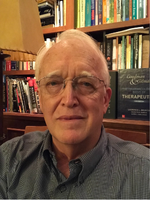 Laurence Brunton, a native of Charlottesville, VA, graduated from Harvard College and earned a PhD in pharmacology at the University of Virginia School of Medicine, where he was the first graduate student in the lab of a new assistant professor, Alfred G. Gilman. Brunton was a postdoc with Steven E. Mayer at the UC San Diego School of Medicine, where he joined the faculty in 1981, jointly appointed in Pharmacology and Medicine (Cardiology). His research has focused on transmembrane signaling in cardiac myocytes and cultured cells, especially on compartmentation of cyclic AMP signaling and on active cyclic AMP export.
During his career at UCSD, Prof. Brunton has been chair of the Biomedical Sciences PhD Program, was the founding director of the San Diego Institutional Research and Academic Development Award program (IRACDA, a mentored postdoctoral program), and coordinator of a series of summer undergraduate programs including some partially funded by ASPET. Since 2003, he has been editor-in-chief of Goodman & Gilman’s The Pharmacological Basis of Therapeutics, the “blue bible of pharmacology”.
Nina Isoherranen, MS, PhD - University of Washington
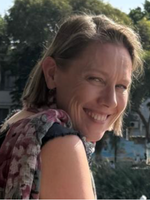 Nina Isoherranen received her B.S. and M.S. in Analytical Chemistry from the Faculty of Science, University of Helsinki, Finland and her PhD in Pharmaceutical Sciences from the School of Medicine, Hebrew University of Jerusalem, Israel. She continued her training as a Postdoctoral research fellow in Pharmaceutics in the Department of Pharmaceutics, University of Washington (UW). In 2004 she joined the faculty of the Department of Pharmaceutics at UW as an Acting Assistant Professor. She was promoted to a full Professor with tenure in 2017 and she is currently Chair of the Department of Pharmaceutics, UW and Milo Gibaldi Endowed Chair of Pharmaceutics.
Dr. Isoherranen’s main research interests relate to vitamin A disposition and disease-retinoid interactions, pregnancy mediated changes in drug disposition and drug-drug interactions. She has active research ongoing in the areas of pharmacokinetic modeling and PBPK model development relating to predictions of complex drug-drug and disease-drug interactions, and in developing models for renal clearance changes in different physiological states. Recently her laboratory has made significant advances in characterization of drug-protein adducts by mass spectrometry. Her laboratory has been continuously funded by the NIH for the last 18 years in these areas. She has trained numerous graduate students, post docs, PharmD students and undergraduate students in her laboratory. Dr. Isoherranen has published over 170 peer reviewed manuscripts and eight book chapters, and she holds three US patents.
Dr. Isoherranen has held leadership positions in professional societies including being the chair of the Drug Metabolism and Disposition division of American Society of Pharmacology and Therapeutics (ASPET), an ASPET council member (2022-2025), and a member of ASPET and FASEB science policy committees. She was a member of the ISSX Membership Affairs committee 2015 -2020 and ISSX council 2019-2023. At present she is an Associate Editor of Drug Metabolism and Disposition, and Pharmacology & Therapeutics. She was an associate editor of Clinical and Translational Science until 2021 and a member of the editorial board of Scientific Reports. She was also a member (2019-2023) and chair (2021-2023) of the XNDA (currently DBDT) study section for NIH.
Dr. Isoherranen has received a UW SOP graduate student mentor award and multiple young investigator and early career awards including the Drug Metabolism Division Early Career Achievement Award by ASPET in 2013 and the ISSX North American New Investigator award in honor of James R Gillette in 2014. Most recently she was awarded the ISSX North American Scientific Achievement Award in Honor of Ronald W. Estabrook in 2024.
Terrence P. Kenakin, PhD - University of North Carolina
 Terrence Kenakin received a BSc in Chemistry and a PhD in Pharmacology from the University of Alberta, Edmonton, Canada in 1975. He pursued post-doctoral studies at University College, London U.K. with Sir James Black and then worked for a year at the Wellcome Research Laboratories in Beckenham Kent UK. He then transferred to Burroughs-Wellcome, Research Triangle Park, NC where he became a Research Pharmacologist. His main focus was receptor pharmacology and during his 7 years at Burroughs-Wellcome he worked on cardiovascular drug candidates and drugs for asthma.
He then moved to Glaxo in the Research Triangle Park, NC as a senior research scientist to pursue further drug discovery in cardiovascular science, mainly cardiotonics for drug failure. His receptor studies and interests in allosteric receptor function led to work on orphan GPCRs and constitutive screening. These endeavors led to joining the Glaxo Discovery team for HIV in the quest for the orphan receptor responsible for HIV-1 entry and cell infection. Shortly thereafter, studies in other laboratories de-orphanized the HIV entry receptor as the chemokine CCR5 receptor. As Glaxo evolved into GlaxoWellcome, Dr. Kenakin became a principal scientist and led the discovery team for the HIV entry program. After 5 years, these efforts culminated in the HIV entry drug aplaviroc which was found to drop viral load in AIDs patients. He continued drug discovery in the newly formed company GlaxoSmithKline studying allosteric GPCR drug candidates for MC4R (energy homeostasis and obesity) and GLP-1 (obesity and diabetes). He then left GlaxoWellcome in 2011 to join the Department of Pharmacology, University of North Carolina School of Medicine, Chapel Hill NC as a full professor. He continues his receptor research on allosteric GPCR function and co-ordinates the Pharmacology graduate courses in the Department.
He currently is Editor-in-Chief of the Journal of Pharmacology and Signal Transduction, is a founding member IUPHAR Committee on Receptor Nomenclature and is on the editorial Board for Molecular Pharmacology. He also is the recipient of the 2020: American Society for Pharmacology and Experimental Therapeutics (ASPET) Goodman and Gilman Award for Receptor Pharmacology, is an honorary Fellow of the British Pharmacological Society (2017), received the 2014 Gaddum Memorial Award, British Pharmacological Society (2014), Ariens Award for Pharmacology, Dutch Pharmacological Society (2011), the Poulsson Medal for Pharmacology awarded by the Norwegian Society of Pharmacology for achievements in basic and clinical pharmacology and toxicology (2008) and presented the 3rd International Lecture on Analytical Pharmacology Award, International Union of Pharmacology (IUPHAR), 15th World Congress of International Pharmacology, Beijing, China in 2006. He is the author of several hundred peer reviewed research papers and reviews and has written 12 books on Pharmacology. He continues to do theoretical receptor studies on GPCRs and consults in drug discovery endeavors throughout industry.
Lian Li, PhD - Emory University
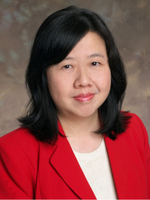 Lian Li is a Professor and Vice Chair of the Department of Pharmacology and Chemical Biology at Emory University School of Medicine. Dr. Li earned her PhD in Biochemistry from the University of California at Davis, where she elucidated the structure-function relationship and regulation of acetylcholine receptors under the mentorship of Dr. Mark McNamee. She then completed her postdoctoral training in Molecular and Cellular Neurosciences with Nobel Laureate Dr. Paul Greengard at Rockefeller University, studying the presynaptic machinery in control of neurotransmitter release. Dr. Li took her first faculty position as an Assistant Professor of Pharmacology at the University of North Carolina at Chapel Hill in 1996 and joined the faculty at Emory University in 2001, where she rose through the ranks to full professor.
Research in Dr. Li’s laboratory focuses on applying multidisciplinary approaches to understand the molecular and cellular mechanisms governing vesicular trafficking and cell signaling in health and neurodegenerative disease. Her laboratory has identified and characterized numerous novel regulators of neuronal signaling and trafficking, providing crucial insights into the fundamental mechanisms controlling synaptic vesicle exocytosis, endo-lysosomal trafficking, mitochondrial dynamics, and cell signaling mediated by post-translational modifications such as ubiquitination, phosphorylation, and glycosylation. Her groundbreaking research has unveiled previously unknown pathways linking dysregulated protein trafficking and signaling to the pathogenesis of Alzheimer's disease, Parkinson’s disease, and peripheral neuropathy. Her recent studies using network-based glycoproteomics have led to the discovery of new molecular targets for biomarker and therapeutic development to combat neurodegenerative diseases. Dr. Li's research has been continuously funded by the National Institutes of Health since 1998.
Dr. Li is deeply committed to teaching, mentoring, and training the next generation of scientists. She has mentored over 100 graduate students, undergraduates, postdoctoral fellows, and junior faculty, many now in prestigious roles across academia, industry, the NIH, and other government agencies. Dr. Li is a staunch advocate for women and underrepresented groups in science and provides strong support in leadership development and career advancement. Her devotion to mentoring and fostering excellence has been recognized through the 2025 Emory School of Medicine Mentoring Award for Outstanding Mentoring and Leadership to Trainees and Early-Career Faculty.
Dr. Li has been a dedicated member of the American Society of Pharmacology and Experimental Therapeutics since 1997 and has served on the Editorial Board of Molecular Pharmacology since 2006. She has served as the chair or a regular member on numerous NIH study sections and other review panels. Dr. Li is a Fellow of the Hedwig van Ameringen Executive Leadership in Academic Medicine (ELAM) with demonstrated leadership and commitment to advancing academic medicine.
Ashim Malhotra, PhD, FAAPE - California Northstate University
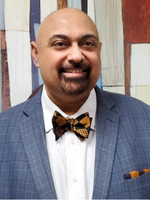 Ashim Malhotra, PhD, FAAPE, is Vice President for Institutional Effectiveness and Accreditation at California Northstate University (CNU). Reporting to the university president, he leads a diverse academic enterprise that includes the colleges of Medicine, Dental Medicine, Pharmacy, Psychology, Graduate Studies (PhD, MPS, MHA), and Health Sciences (BS, BSN).
In this capacity, Dr. Malhotra oversees ten university portfolios covering accreditation, assessment, institutional research, strategic planning, policy, and compliance. His leadership in building a unified academic quality framework spanning six health professions has elevated standards and fostered collaboration throughout CNU.
Internationally recognized for his contributions to pharmacology and pharmacy education, Dr. Malhotra began his career with a Bachelor of Pharmacy degree from Hamdard University (India) and MS/PhD degrees from St. John’s University (NYC). His early research in mitochondrial pharmacology at NYU School of Medicine, including a highly cited PNAS paper on Barth syndrome, laid a strong scientific foundation.
Over the past two decades, he transitioned from laboratory research to national leadership in health professions education, focusing on evidence-based instructional design, faculty development, and academic transformation.
As Assistant Dean of Accreditation, University Distinguished Teacher, and Professor of Pharmacology at the CNU College of Pharmacy, Dr. Malhotra integrates foundational pharmacology with clinical practice and curriculum innovation. He has taught >3,000 students. Renowned for innovative teaching, he leverages cognitive science and learning analytics to advance immunology, cardiovascular pharmacology, and interprofessional pharmacotherapeutics.
As Founding Senior Director of the Institute of Teaching and Learning Excellence (ITLE), Dr. Malhotra established a university-wide ecosystem for faculty development, delivering over 60 high-impact programs and engaging >500 faculty. ITLE’s frameworks are now integral to institutional policy and accreditation. He is the university Director of Interprofessional Education (IPE) and designed an integrated IPE model spanning six CNU colleges and multiple institutions, transforming health care education in Northern California.
Building on his work in research and teaching, Dr. Malhotra’s national leadership roles include service as Chair of the ASPET REACH Committee (2023-2026), member of the ASPET Council, and architecting two national faculty-development programs for pharmacology educators, including the ASPET IDEA Scholars and the upcoming ASPET Academic Leadership Academy. He has chaired the American Association of Colleges of Pharmacy (AACP) Global Education, served AACP at the National Association of Boards of Pharmacy and on >15 national committees, and led AACP international delegation and academic diplomacy. He has launched international partnerships and MOUs, positively impacting student/junior faculty/research exchanges and recruitment.
AACP has continually recognized his excellence through multiple honors, including the Biological Sciences Distinguished Service Award (2023), Global Education Outstanding Service Award (2023), Biological Sciences Faculty Mentor of the Year (2024), and teaching/learning innovation awards such as Teacher/Professor of the Year (3x), Biological Sciences Innovations in Teaching Award (2025), Innovations in Teaching Award (2014), and Walmart Scholar Mentor (2x). These accolades reflect his sustained impact on teaching, mentorship, and international pharmacy education.
Driven by a belief in the transformative power of education, Dr. Malhotra’s mentorship of >70 students and >65 faculty has led to numerous achievements, including national awards for research and innovation. ASPET has honored him with the Fellowship of the Academy of Pharmacology Educators (FAAPE, 2020), the Pharmacology Educator’s Travel Award (2017), the Dolores Shockley National Competition (2017), and mentored student awards for research in AI and pancreatic adenocarcinoma.
Dr. Malhotra’s academic governance, assessment, and IPE contributions were recognized during university reaccreditation and eight university president awards. His service as an ACPE and WSCUC site evaluator underscores his expertise in standards and quality compliance. His lifetime commitment to excellence in pharmacology education, national service, and servant leadership is shaping the future of health-professions education.
Adriano Marchese, PhD - Medical College of Wisconsin
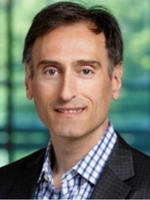 Adriano Marchese is a Professor in the Department of Biochemistry at the Medical College of Wisconsin. He earned his BS, MS, and PhD in Pharmacology from the University of Toronto. Following his doctoral studies, he completed postdoctoral training at Thomas Jefferson University in the laboratory of Jeff Benovic. He then joined the faculty in the Department of Pharmacology at Loyola University Chicago before transitioning to his current position at the Medical College of Wisconsin.
Dr. Marchese has a long-standing interest in G protein-coupled receptor (GPCR) signaling. His current research focuses on elucidating the mechanisms that regulate spatial and temporal aspects of GPCR signaling mediated by b-arrestins and post-translational modifications (PTMs), such as phosphorylation, ubiquitination, and SUMOylation. These regulatory processes are crucial for determining receptor trafficking and the subsequent outcomes of downstream signaling. He has leveraged these insights to define the spatial and temporal requirements for GPCR activation of pathways involved in cell survival, proliferation, and migration. The ultimate goal of this research is to identify and target novel aspects of GPCR signaling for therapeutic development.
Dr. Marchese has an extensive track record of mentoring graduate students and postdocs. He is deeply committed to graduate education, serving as the Director of the Graduate Program in Biochemistry and the Interdisciplinary Program in Biomedical Sciences - the primary umbrella PhD Program at the Medical College of Wisconsin.
Dr. Marchese has been a member of ASPET since 2004. He is currently a member of the Executive Committee of the Molecular Pharmacology Division of ASPET. He is an Associate Editor of Molecular Pharmacology and serves on the ASPET Publications Committee.
Jeffrey R. Martens, PhD - University of Virginia School of Medicine
 Jeffrey R. Martens, PhD is a Professor of Pharmacology, an educator, an internationally recognized pharmacology researcher, and the Senior Associate Dean for Research in the School of Medicine at the University of Virginia. Dr. Martens is a key contributor in the transformation of the School of Medicine and UVA Health medical research program, while also managing a rapidly growing portfolio of resources, innovative projects, and talent for the School of Medicine and the greater University.
Dr. Martens moved to UVA from the University of Florida College of Medicine, where he served as chair of the Department of Pharmacology and Therapeutics for eight years. During his tenure he drove a 10-fold increase in outside research funding and spearheaded collaboration within the College of Medicine as well as with research centers and institutes across the University of Florida. In addition, the academic and scientific achievements of his faculty resulted in U.S. News & World Report ranking for Pharmacology and Toxicology at UF in the top 17 nationally, the top nine among public universities and 50th internationally.
Dr. Martens’ research has focused on two areas of pharmacology and therapeutics, including sensory neuropharmacology and cardiovascular pharmacology, with work in both the heart and olfactory systems. He has ongoing projects using viral gene therapy to rescue olfactory dysfunction and to understand the converging mechanisms of inflammation and neurogenic exhaustion in age related olfactory loss.
Dr. Martens holds longstanding memberships in several professional societies, including the American Society for Pharmacology and Experimental Therapeutics and the Association of Chemoreception Sciences. He has also served in several editorial board positions for scientific publications, including as an editorial advisory board member for Molecular Pharmacology.
Dr. Martens earned his bachelor’s degree and doctorate from the University of Florida and did his post-doctoral training at Colorado State University. Before joining the faculty at the University of Florida, Martens was a faculty member at Oregon Health & Science University and the University of Michigan.
Murali Prakriya, PhD - Northwestern University Feinberg School of Medicine
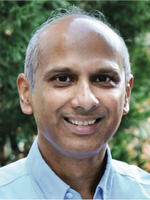 Dr. Murali Prakriya is the Magerstadt Professor of Pharmacology and Professor of Medicine at Northwestern University. He received his undergraduate degree in engineering from the Indian Institute of Technology, a master’s degree in biomedical engineering from the University of Miami, and a PhD in Neuroscience from Washington University. After postdoctoral training at Stanford University, Dr. Prakriya launched his independent laboratory at Northwestern University in 2005.
Dr. Prakriya has pioneered studies on cellular calcium signaling mechanisms and their roles in human disease. His work played a central role in identifying and characterizing the store-operated Orai family of calcium channels, which are essential for immunity, inflammation, and host defense. Dr. Prakriya’s subsequent mechanistic investigations helped define how STIM–Orai interactions control Orai channel gating and ion permeation at a molecular level and established a conceptual framework that is now widely used to understand how store-operated calcium entry is regulated in cells. Building on these molecular insights, his laboratory has revealed physiological roles for Orai-mediated calcium signals in the brain and lung, uncovering Orai contributions to cognition, synaptic function, and glial cell–driven neuroinflammation. These studies have opened new avenues for targeting Orai signaling in neurodegenerative diseases, chronic pain, and brain injury, and have helped bridge basic biophysics with translational research.
Dr. Prakriya is an elected AAAS Fellow and received an R35 Research Program Award from NINDS/NIH to support his long-term research program. He has been an active member of ASPET, notably through his leadership in the Great Lakes Chapter of ASPET (GLC-ASPET) as President (2019–2021), Vice President (2017–2019), and Board Member (2015–2022). He helped organize several GLC-ASPET conferences and led efforts to expand trainee engagement, promote pharmacology as a dynamic discipline among trainees, and strengthen connections between academic and industry scientists. Beyond ASPET, Dr. Prakriya served as Chair of the FASEB meeting on calcium signaling, on the FASEB Scientific Research Conference Advisory Committee, and on various NIH study section panels. He is on the editorial boards of JBC, eLife, the Journal of General Physiology, and Frontiers journals. Dr. Prakriya has directly mentored several dozen PhD, MD/PhD, and postdoctoral trainees and has been recognized by multiple teaching awards at Northwestern University.
Bhagwat Prasad, PhD - Cincinnati Children's Hospital Medical Center
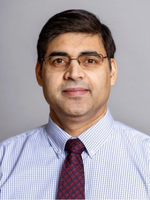 Dr. Bhagwat Prasad is a Professor of Pediatrics and Division Director of Translational and Clinical Pharmacology at Cincinnati Children’s Hospital Medical Center (CCHMC), Cincinnati, OH. He leads several federally and industry-funded research programs focused on characterizing interindividual variability and the in vitro to in vivo extrapolation (IVIVE) of drug transport, metabolism, and response utilizing quantitative proteomics and metabolomics. Dr. Prasad is also the Director of the Proteomics-based Research Initiative for Non-Conserved Enzymes (PRINCE), a consortium funded by multiple pharmaceutical companies, with a focus on drug metabolism. Before joining CCHMC, Dr. Prasad served as a Tenured Professor of Pharmaceutical Sciences at the College of Pharmacy and Pharmaceutical Sciences, Washington State University (WSU), Spokane, WA (2019–2025), and as an Assistant Professor at the University of Washington (UW), Seattle, WA (2015–2019). With a wealth of expertise, Dr. Prasad has contributed significantly to the field, evidenced by the publication of over 150 peer-reviewed articles and the delivery of more than 125 invited talks at various conferences, peer institutions, pharmaceutical industry, and the U.S. Food and Drug Administration (FDA).
Dr. Prasad’s accomplishments have earned him significant recognition, including his election as a member of the Washington State Academy of Sciences. He is also the recipient of prestigious awards, such as the New Investigator Award from the International Society for the Study of Xenobiotics (ISSX) in 2018, the Early Career Faculty Award from the American Society for Pharmacology and Experimental Therapeutics (ASPET) in 2018, and the WSU Chancellor’s Excellence Faculty Award in both Service (2022) and Research (2024). Actively involved in professional organizations, Dr. Prasad is currently serving as the current Chair of the Drug Metabolism and Disposition Division of ASPET, having previously served as its Secretary. He is also the current chair of the Transporter Focus Group of ISSX. Additionally, Dr. Prasad holds editorial roles including being the member of the editorial boards of Drug Metabolism and Disposition, Clinical Pharmacology and Therapeutics, Trends in Analytical Chemistry, Frontiers in Pharmacology, and Pharmaceutics. Dr. Prasad earned his MS and PhD in Pharmaceutical Sciences from NIPER, Mohali, India, and completed his postdoctoral training at the University of Washington School of Pharmacy, Seattle, WA. He also served as a Visiting Faculty Fellow at the U.S. Food and Drug Administration (FDA) in 2024.
Manoj Puthenveedu, MBBS, PhD - University of Michigan Medical School
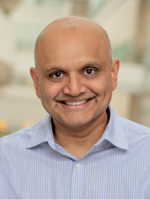 Manoj Puthenveedu is the Pfizer Upjohn Research Professor II of Pharmacology at the University of Michigan Medical School. He received his medical degree (MBBS) from the Government Medical College, Calicut, India, and his PhD in Biological Sciences from Carnegie Mellon University. He did his postdoctoral training with Dr. Mark von Zastrow at UCSF and joined Carnegie Mellon University as an Assistant Professor in 2009, where he held the Eberly Family Professorship before moving to the University of Michigan in 2017.
Dr. Puthenveedu is interested in how and why G protein-coupled receptor (GPCR) signaling pathways are organized in cells. His research group studies how GPCRs are localized to membrane microdomains, what the consequences of this localization are, and how this localization is disrupted in heart disease, drug addiction, and cancer. His early research identified sequence elements on opioid and adrenergic receptors that regulate their trafficking and localize them to specific endocytic domains. Research from his group then showed that these GPCR sequences interact with and regulate membrane trafficking components specifically in these domains, allowing GPCRs to selectively control their own trafficking and localization. His group also showed that opioid receptors adopt distinct conformations and recruit different effectors based on their localization, and that modifying opioid receptor localization and trafficking changes behavioral responses of opioids in animals. This raises the exciting idea that once we understand the mechanisms that regulate how GPCRs are localized to specific regions in cells, we can refine the effects of any given drug by independently manipulating receptor trafficking. Dr. Puthenveedu’s research has been continuously funded by NIH, NSF, and he has received several awards including from the Curci Foundation, the Dana Foundation, and the Heinz Endowment. He continues to be interested in decoding how location dictates the functional outcome for any particular combination of ligand and receptor.
Dr. Puthenveedu is strongly committed to training the next generation of scientists, and is a trained mentor and facilitator recognized by the National Research Mentoring Network. He has mentored over a dozen PhD students and several postdoctoral fellows who have gone on to have successful careers in academia, industry, and other science-related positions. He has served in many leadership positions in education and training, including as the Director of the Cellular and Molecular Biology program and as a member and chair-elect of the Faculty Committee on Mentoring at the University of Michigan.
Dr. Puthenveedu has been actively involved in ASPET. He has served as an Associate Editor for Molecular Pharmacology since 2019 and has edited a special issue celebrating 50 years of opioid research and the International Narcotics Research Conference. He has served on the Executive Committee of the Molecular Pharmacology Division and on the ASPET Mentoring and Career Development Committee and has organized and chaired sessions at multiple ASPET and GPCR conferences.
Uwe Rudolph, Dr. Med. - University of Illinois
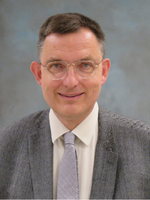 Uwe Rudolph attended Medical School at the Freie Universität Berlin (1981-1987), where he also obtained a doctorate (Dr. med.) for research on G proteins performed in the group of Dr. Guenter Schultz (1989). He received postdoctoral training and became Instructor in the laboratory of Dr. Lutz Birnbaumer at Baylor College of Medicine (1989-1993), where he generated and analyzed the first G protein subunit knockout mouse, which lacked Gai2. These mice developed an inflammatory bowel disease. He was then recruited to the Institute of Pharmacology and Toxicology of the University of Zurich, where he remained from 1993 to 2005 and obtained the Habilitation in Pharmacology and Toxicology in 1999.
Since at that time pharmacological compounds specific or selective for defined GABAA receptor subtypes were largely not available, he started a research program to genetically dissect physiological and pharmacological functions of GABAA receptor subtypes. In one line of projects, a series of knock-in mice with histidine to arginine point mutations in the a1, a2, a3 or a5 subunit was generated which abolished modulation of the respective GABAA receptor subtype by classical benzodiazepines. Mice with diazepam-insensitive a1-containing GABAA receptors failed to be sedated by diazepam, whereas diazepam’s anxiolytic-like action was still present. In mice with diazepam-insensitive a2-containing GABAA receptors, diazepam’s sedative action was present, while its anxiolytic-like action was absent. These studies demonstrated, approximately 40 years after the introduction of benzodiazepines into clinical use, that the anxiolytic and sedating effects of benzodiazepines are mediated by different GABAA receptor subtypes and thus pharmacologically separable. These results provided the blueprint for commercial preclinical and clinical efforts to develop non-sedating anxiolytics. Other studies in which an asparagine to methionine point mutation rendered b3-containing GABAA receptors insensitive to modulation by the general anesthetics etomidate and propofol revealed that this GABAA receptor subtype is required for immobility (surgical tolerance). Moreover, mice with a reduced expression of a5-containing GABAA receptors in the hippocampus displayed improved temporal memory, providing the first published evidence that a5-containig GABAA receptors constrain learning and memory functions.
At McLean Hospital and Harvard Medical School (2005-2018), where Dr. Uwe Rudolph eventually became Professor of Psychiatry, his group developed a “circuit pharmacology” approach to GABAA receptors, studying the functions of GABAA receptor subtypes in specific circuit locations, finding, e.g., that anxiety- and fear-reducing actions are mediated by a2-containing GABAA receptors in distinct hippocampal subregions and circuits, and that a5-containing GABAA receptors in distinct circuit locations modulate cognitive functions differentially, e.g., a5-containing GABAA receptors in CA1 pyramidal neurons inhibit spatial memory while a5-containing GABAA receptors in dentate gyrus granule cells are required for management of memory interference, e.g., in reversal learning and fear extinction paradigms, suggesting limitations to the use of a5 negative allosteric modulators that have been developed preclinically and clinically elsewhere. His laboratory also developed novel genetic copy number variant mouse models for schizophrenia.
Since 2018, Dr. Uwe Rudolph has been Professor and Head of the Department of Comparative Biosciences in the College of Veterinary Medicine at the University of Illinois Urbana-Champaign. By studying several lines of mice with genomic copy number variations, he and his collaborators recently characterized how in the dentate gyrus the glycine-degrading enzyme glycine decarboxylase (GLDC) provides inhibitory regulation of NMDA-receptor-mediated plasticity, and that an increase of the Gldc copy number - as seen in rare patients - may contribute to the development of psychosis. In a different line of research, the lab is studying age-dependent effects of modulation of a5-containing GABAA receptors, resulting in opposite actions in aged versus young adult mice. In this context, the lab has also developed novel mouse models of hippocampal aging (based on chemogenetic inhibition or on genetic ablation of somatostatin-positive interneurons in the dentate gyrus hilus). Current research interests include pharmacological modulation of learning and memory with a focus on preventing or reversing postoperative cognitive deficits in aged individuals using various pharmacological strategies that increase the activity of a5-containing GABAA receptors (a non-canonical propofol-induced sustained redistribution of a5-containing GABAA receptors to the cell surface membranes, or an a5 positive allosteric modulator), and targeting mitochondria for the treatment of schizophrenia in mouse models with deficits in mitochondrial functions, e.g., by inhibiting mitochondrial complex I with metformin.
Before coming to the United States, Dr. Uwe Rudolph was Treasurer of the Swiss Society of Experimental Pharmacology. He has been a member of the American Society of Pharmacology and Experimental Therapeutics (ASPET) since 2007. He served on the Editorial Advisory Board of the Journal of Pharmacology and Experimental Therapeutics (2012-2016) and on the ASPET Awards Committee (2023-2025). Previous awards include the Pfizer Research Prize (Switzerland), the Georg-Friedrich Goetz-Preis of the University of Zurich, a listing as “Highly Cited Researcher” in the category Pharmacology & Toxicology by Thomson Reuters, an honorary A.M. degree from Harvard University, and selection to the President’s Distinguished Faculty Recruitment Program of the University of Illinois System.
Patrick M. Sexton, PhD, DSc, FBPhS - Monash University
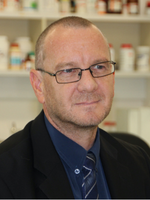 Patrick M. Sexton is currently Professor of Pharmacology at the Monash Institute of Pharmaceutical Sciences (MIPS, Monash University), a National Health and Medical Research Council of Australia Leadership Fellow and Director of the Australian Research Council Industrial Transformation Training Centre for Cryo-electron Microscopy of Membrane Proteins. He completed undergraduate training as a pharmacologist in 1984 and obtained his PhD in 1988 under the supervision of Prof. Fred Mendelsohn in the Department of Medicine at the Austin Hospital in Heidelberg (University of Melbourne). He established his laboratory in 1990 as a Research Fellow at St. Vincent’s Institute of Medical Research, with stints at the University of Melbourne Department of Pharmacology and the Howard Florey Institute, before joining Monash University in 2006.
For over 35 years, Sexton’s laboratory has led ground-breaking research in understanding structure and function of Class B GPCRs, and in establishing and understanding the paradigms of biased agonism and allosteric modulation. His team also played a pioneering role in the optimisation and application of cryo-electron microscopy for determination of GPCR structure.
Sexton has published over 350 peer reviewed journal articles and delivered over 110 invited conference presentations. He has been an ISI/Clarivate Analytics Highly Cited Researcher since 2014 and has received numerous awards and honours, including both the ASCEPT Lecturer Award and the ASCEPT Rand Medal, the British Pharmacological Society Vane Medal, the American Chemical Society Gordon Hammes Lectureship Award as well as the GSK Award for Research Excellence. Sexton was elected a Fellow of the British Pharmacological Society in 2014 and received the 2024 NHMRC Peter Doherty Award.
Sexton has trained >30 PhD students and >50 postdoctoral fellows, as well as implementing new doctoral training programs at MIPS and through the ARC Centre for Cryo-electron Microscopy of Membrane Proteins. He has been an Editorial board member or Editor of 9 international journals, including Pharmacological Review and the Journal of Pharmacology and Experimental Therapeutics. He co-founded the Molecular Pharmacology of G Protein-Coupled Receptors meeting in 2002 and has been a co-organiser of numerous other scientific meetings. More recently, Sexton has co-founded two biotechnology start-ups, including Septerna Inc. that was Nasdaq listed in 2024.
Solomon H. Snyder, MD, DPhil, DSc - Johns Hopkins School of Medicine
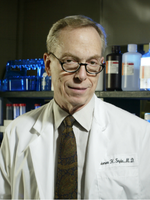 Dr. Snyder is a distinguished service professor emeritus of neuroscience, pharmacology and molecular sciences, and psychiatry and behavioral sciences at the Johns Hopkins University School of Medicine. He is the founder of the Solomon H. Snyder Department of Neuroscience and served as its director from 1980 to 2006. He is world-renowned for his pioneering research in the identification of receptors for neurotransmitters and studies to characterize the actions of psychoactive drugs.
Many advances in molecular neuroscience have stemmed from Dr. Snyder's identification of receptors for neurotransmitters and drugs, as well as elucidation of the actions of psychotropic agents, making him one of the most highly cited biologists in the world. His 1973 Science publication describing the opiate receptor was a major advance in the field.
Dr. Snyder completed his undergraduate work at Georgetown College (the oldest school within Georgetown University) and received his M.D. from Georgetown University School of Medicine. After further studies at the National Institutes of Health, he completed a residency in psychiatry at Johns Hopkins. He joined the Johns Hopkins faculty in 1966.
Among dozens of professional and academic honors, Snyder has received the U.S. National Academy of Science Award in Neuroscience; the Albany Prize in Medicine; the National Medal of Science; the Wolf Foundation Prize in Medicine; the Dickson Prize of the University of Pittsburgh; the Bower Award of the Franklin Institute; the Bristol-Myers Squibb Award for Distinguished Achievement in Neuroscience Research; the Gerard Prize of the Society for Neuroscience; and the Salk Institute Science Award. He was also awarded the Albert Lasker Award for Basic Biomedical Research in 1978 for his research on the opioid receptor.
Snyder has received honorary degrees from Northwestern University; Georgetown University; Ben Gurion University; Albany Medical College; Technion University; Mount Sinai School of Medicine; the University of Maryland; Charles University in Prague; Ohio State University; Johns Hopkins University; and the Medical College of Wisconsin.
Over the course of his distinguished career, he has authored or co-authored more than 1,000 peer-reviewed publications and seven books. He is a member of the National Academy of Sciences and the American Academy of Arts and Sciences.
Gregory Tall, PhD - University of Michigan Medical School
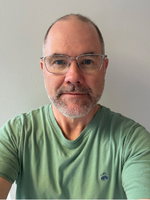 Gregory G. Tall, PhD, is a Professor in the Department of Pharmacology at the University of Michigan Medical School. Before his appointment in Michigan, he served as an Associate Professor of Pharmacology and Physiology at the University of Rochester Medical School. Dr. Tall earned his PhD in Biomedical Sciences from the University of Texas Southwestern Medical Center (UTSW) in 2000, under the mentorship of Bruce F. Horazdovsky, PhD. During his doctoral studies, he identified guanine nucleotide exchange factors (GEFs) for Rab5 family small G proteins and uncovered a signaling circuit through which Ras small G proteins terminate growth factor signaling, promoting the endocytosis of growth factor receptors via Rab GEFs.
Following his PhD, Dr. Tall pursued postdoctoral studies in the laboratory of Nobel Laureate Alfred G. Gilman, MD, PhD, at UTSW. There, he discovered two GEFs, Ric-8A and Ric-8B, which activate G protein alpha subunits in vitro. He elucidated that Ric-8 proteins play a crucial role in folding G alpha subunits by facilitating their initial GTP loading. This research led to the development of a Ric-8-based technology that enables the overproduction of recombinant G proteins, facilitating unprecedented purification quantities.
Research in the Tall lab leveraged the comprehensive toolbox of purified G proteins to elucidate the activation mechanism of Family B2 or adhesion G protein-coupled receptors (GPCRs). His team demonstrated that these GPCRs directly activate G proteins via a unique tethered peptide agonism mechanism. Current investigations focus on elucidating physiological evidence of adhesion GPCR activation in blood cell models, efforts to deorphanize these receptors, and the development of novel small molecule and peptide modulators.
Dr. Tall has been an active member of the American Society for Pharmacology and Experimental Therapeutics (ASPET), serving on the Programming Committee and the Executive Committee of the Division of Molecular Pharmacology, where he has also held the position of chair. He has been on the editorial board of
Molecular Pharmacology for over a decade. Additionally, he and his lab regularly participate in the ASPET annual meeting, with students and postdoctoral researchers frequently presenting and sometimes receiving awards in various ASPET competitions.
Francis S. Willard, PhD – Eli Lilly and Company
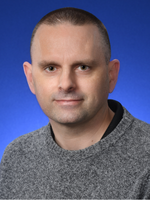 Francis S. Willard is a drug discovery pharmacologist and Associate Vice President of Molecular Pharmacology at Eli Lilly and Company (Indianapolis).
He trained in Physiology (Victoria University of Wellington) and Neuroscience (Australian National University). He pursued studies in receptor pharmacology (UNC Chapel Hill) first as a postdoctoral fellow, then as a research assistant professor. Dr. Willard transitioned to Eli Lilly and Company in 2007 where he has used pharmacology to advance drug discovery efforts in multiple therapeutic areas. He leads a team that contributes to new medicine discovery with a longstanding focus on G-protein coupled receptor drugs for obesity and type 2 diabetes. His team has contributed to the discovery and development of multiple therapeutics.
Francis joined ASPET in 2003 and has been actively involved in the ASPET community. He received the 2021 Scientific Achievement Award in Drug Discovery from the ASPET Division of Drug Discovery and Development. Dr. Willard has authored/co-authored 95 peer-reviewed articles which have been cited more than 9000 times (h index = 51). He has a strong commitment to mentorship, guiding young scientists, and fostering the next generation of pharmacologists.
Venetia (Vanna) Zachariou, PhD - Boston University School of Medicine
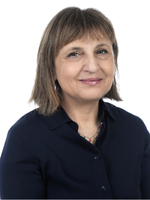 Venetia (Vanna) Edward Avedisian Professor and Chair of the Department of Pharmacology, Physiology & Biophysics at the Chobanian and Avedisian School of Medicine. She also serves as Co-Director of a T32 training program in Biomolecular Pharmacology. Prior to joining the Edward Avedisian School of Medicine at Boston University, Dr. Zachariou was a Professor in the Department of Neurosciences at the Icahn School of Medicine at Mount Sinai.
Dr. Zachariou obtained her PhD in Pharmacology from the Medical College of Georgia and conducted her postdoctoral training at Yale University in the laboratory of Dr. Marina Picciotto. Her research program applies multidisciplinary approaches to dissect network- and cell-type–specific mechanisms involved in chronic pain, depression, and addiction.
Studies in her laboratory have focused on: (1) understanding intracellular mechanisms underlying the actions of pain-alleviating drugs within components of the mesolimbic system; (2) investigating G protein–signaling mechanisms associated with pain maintenance and the actions of opioid analgesics; and (3) characterizing epigenetic and transcriptional adaptations associated with prolonged neuropathic pain and identifying novel targets for chronic pain management. Dr. Zachariou’s work has highlighted unique signal transduction pathways mediating opioid addiction and analgesia in the mouse striatum. This research has advanced understanding of biased signaling in the brain, identified signal transduction complexes with unique modulatory roles, and revealed new mechanisms that promote opioid analgesic tolerance without affecting addiction-related behaviors.
Her team has employed models of long-term peripheral nerve injury, advanced genetic tools, transcriptomic analyses, and brain biochemistry to elucidate regional mechanisms that modulate the sensory and affective manifestations of chronic pain. They have identified several G protein–signaling pathways with distinct roles in chronic pain maintenance, as well as selective histone deacetylase inhibitors that effectively alleviate both sensory and affective symptoms of neuropathic pain. More recently, the Zachariou laboratory developed paradigms to study comorbid chronic pain and opioid physical dependence, providing insights into genes and pathways uniquely affected by opioid exposure under chronic pain conditions. Her team identified class I histone deacetylase HDAC1 as a therapeutic target for managing oxycodone physical dependence. Selective HDAC1 inhibitors alleviate chronic pain symptoms while preventing spontaneous oxycodone withdrawal.
Dr. Zachariou places strong emphasis on mentoring trainees and junior faculty. She has directly trained 11 postdoctoral fellows, 12 graduate students, and more than 25 undergraduate and master’s students in her laboratory. In addition, she has served as a co-mentor or career advisor to numerous graduate students, postdoctoral fellows, and junior and mid-career faculty. She currently serves as a graduate student advisor for first- and second-year students in the Biomolecular Pharmacology program at Boston University. As Co-Director of a T32 training grant, she plays a key role in organizing student symposia, networking events, and professional development activities.
Dr. Zachariou has actively participated as a speaker and session chair at numerous ASPET meetings and associated satellite conferences since the start of her independent research career. In 2011, she co-organized the 4th RGS Colloquium at the Experimental Biology conference with Dr. Hepler. She has been a member of ASPET since 2016 and joined the Neuropharmacology Executive Committee in 2019, serving as Chair-Elect (2022) and Chair (2023–2025). As a member and later Chair of the Neuropharmacology Executive Committee, Dr. Zachariou prioritized recruitment of committee members from diverse areas of neuroscience and actively promoted ASPET membership among postdoctoral fellows, graduate students, and faculty.
Dr. Zachariou is currently a Fellow of the American College of Neuropsychopharmacology, where she has served on the Membership Committee and the Women’s Task Force. She serves on the editorial boards of Molecular Pharmacology, Biological Psychiatry, and the British Journal of Pharmacology, and acts as a reviewing editor for Science Signaling. She currently serves as a Council Member for the Association of Medical School Pharmacology Chairs
Xiaobo Zhong, PhD - University of Connecticut
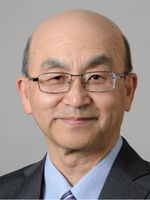 Dr. Zhong earned his bachelor’s degree in biology from Peking University and his M.Sc. in biotechnology and PhD in molecular biology from Wageningen University. He completed postdoctoral training in the Department of Genetics at Yale University School of Medicine with Professor David Ward, where he investigated the roles of human genetic polymorphisms in disease susceptibility. He launched his independent research career in the Department of Pharmacology, Toxicology, and Therapeutics at the University of Kansas Medical Center and is now a Professor of Pharmacology and Toxicology at the University of Connecticut School of Pharmacy.
Dr. Zhong’s pioneering work established histone modifications as an epigenetic mechanism in the regulation of gene expression of drug metabolizing enzymes in liver, including cytochrome P450 (CYP) and other ADME genes. His laboratory has demonstrated how histone modifications orchestrate global expression patterns of drug-metabolizing enzymes and transporters, proposing an integrated network model that has helped defining pharmacoepigenetics as a distinct and influential dimension of variability in drug response. Another major focus of Dr. Zhong’s research is the developmental maturation of drug-metabolism pathways. His group has shown that early-life exposures can durably “program” metabolic capacity and shape therapeutic outcomes later in lifework via alterations of histone modifications with profound implications for pediatric precision dosing. His contributions to understanding long noncoding RNAs (lncRNAs) as regulators of liver development and CYP expression have further expanded the conceptual framework of drug-metabolism regulation. This adds another regulatory dimension to drug metabolism by lncRNAs, beyond traditional transcription factors and histone modifications.
Dr. Zhong has also extended classical pharmacokinetic principles to emerging nucleic acid therapeutics, including antisense oligonucleotide (ASO) and small interfering RNA (siRNA) drugs. Using advanced liver and kidney microphysiological systems, his team investigates how physiological variabilities, such as glucose, fatty acids, and cholesterol, influence the properties of ADME and toxicity of these emerging modalities. This research provides foundational insight into the disposition and safety of nucleic acid drugs, bridging small-molecule ADME with next-generation therapeutic modalities.
In addition to his scientific contributions, Dr. Zhong has had a lasting influence on the field of drug metabolism through his editorial and professional service. He has been a member of the
Drug Metabolism and Disposition (DMD) editorial board since 2012, serving as Reviews Editor since 2018 and Associate Editor since 2021. He organized or edited multiple DMD special sections, including special sections for the journal’s 50th anniversary. He has been an active member of ASPET since 2007, and an active participant in the Division for Drug Metabolism and Disposition (DMDD) and the Division for Molecular Pharmacology. He served as Councilor (2009-2012) and Chair (2021-2022) of DMDD and is currently on the ASPET Program Committee (2024-2028) for abstract review and scientific programming. In addition to ASPET, Dr. Zhong has contributed to multiple international organizations in the field of drug metabolism. He is a member of the International Advisory Committee of Microsomes and Drug Oxidations (MDO) and has been chair or a member of several meeting organizing committees of the International Society for the Study of Xenobiotics (ISSX)