It is our honor to announce this distinguished group of 2026 Scientific Achievement Award winners who are being recognized for their excellence in the pharmacology field.
John Jacob Abel Junior Independent Investigator Award
Erica Levitt, PhD, PharmD
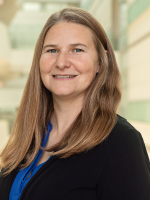
ASPET is pleased to award Dr. Erica Levitt, PhD, PharmD, from the University of Michigan the 2026 The John Jacob Abel Junior Independent Investigator Award. The John J. Abel Award, named after the founder of ASPET, was established in 1946 to stimulate fundamental research in pharmacology and experimental therapeutics by young investigators.
Dr. Levitt is receiving this award in recognition for her outstanding and novel contributions to understanding the cellular and circuit-based mechanisms of opioid-induced respiratory depression.
Dr. Levitt received her PhD in Pharmacology from the University of Michigan. She completed postdoctoral training in neuroscience at the Vollum Institute at Oregon Health & Science University. Currently, Dr. Levitt is the Dr. Emily Jutkiewicz Memorial Pfizer Upjohn Research Professor of Translational Pharmacology and an Associate Professor in the Departments of Pharmacology and Anesthesiology at the University of Michigan Medical School. Her research aims to determine cellular and circuit-based mechanisms of opioid-induced respiratory depression using electrophysiology, behavioral and genetic approaches in rodent models. Her work has provided important insights on the circuitry involved in mediating opioid respiratory effects and has shifted the dogma that a single brainstem region is responsible, but rather that opioids affect brainstem control of breathing circuitry in a distributed manner.
Julius Axelrod Award for Biochemical Mechanisms Underlying Drug Action and Mentoring
Jürgen Wess, PhD, FASPET

ASPET is pleased to award Dr. Jürgen Wess, PhD, FASPET from the National Institute of Diabetes and Digestive and Kidney Diseases, the 2026 Julius Axelrod Award for Biochemical Mechanisms Underlying Drug Action and Mentoring. The Axelrod Award was established in 1991 to honor the memory of the eminent American pharmacologist who shaped the fields of neuroscience, drug metabolism, and biochemistry and who served as a mentor for numerous eminent pharmacologists around the world.
Dr. Wess is receiving this award in recognition for his pioneering research in the field of GPCR pharmacology, which has led to the groundbreaking elucidation of receptor mechanisms that have transformed modern drug discovery and neuroscience and may lead to more effect treatment for diseases including obesity and type 2 diabetes. He has also demonstrated a strong and sustained commitment to training the next generation of pharmacologists.
Jürgen Wess received his PhD in Pharmacology in 1987 from the Goethe University in Frankfurt, Germany. After a brief postdoctoral term at the NINDS (Bethesda, MD), he became an independent investigator at the same institution in 1991. In 1996, Dr. Wess was appointed Chief of the Molecular Signaling Section at the NIDDK (Bethesda, MD). Dr. Wess is among the world's leading experts in the study of G protein-coupled receptors (GPCRs). He gained early fame for his pioneering GPCR structure-function studies. Since the late 90s, Dr. Wess has used mouse genetics, combined with highly innovative chemogenetic approaches, to elucidate the physiological and pathophysiological roles of numerous GPCRs, with particular focus on the five muscarinic acetylcholine receptor subtypes (M1-M5). His pioneering and highly creative and impactful research in this field has led to novel approaches for the treatment of diabetes, obesity, and severe CNS disorders such as Alzheimer’s disease and schizophrenia.
Pharmacia-ASPET Award for Impact on Pharmacological Treatment of Disease
Michael Iadarola, PhD

ASPET is pleased to award Dr. Michael Iadarola, PhD, from the National Institutes of Health the 2026 Pharmacia-ASPET Award for Impact on Pharmacological Treatment of Disease. This award recognizes outstanding research in pharmacology and experimental therapeutics, basic laboratory or clinical research that has had, or potentially will have, a major impact on the pharmacological treatment of disease.
Dr. Iadarola is receiving this award in recognition of his outstanding translational pharmacology research that has advanced understanding of the molecular and genetic mechanisms of pain. His work has spanned mechanistic TRPV1 studies to the clinical therapeutic development of the non-opioid analgesic, resiniferatoxin (RTX), for the management of neuropathic and cancer pain.
Dr. Michael J. Iadarola conducts clinical-translational research to develop new pain treatments based on molecular investigations of human primary afferent and spinal cord neurons. Dr. Iadarola is currently a Senior Research Scientist in the Department of Perioperative Medicine, Clinical Center, NIH. His basic research led directly to clinical trials of a new non-opioid interventional analgesic agent resiniferatoxin (RTX) in patients with neuropathic pain and intractable pain from advanced cancer. RTX is an ultrapotent analog of capsaicin and is an agonist of the TRPV1 ion channel in nociceptive afferents. RTX produces a calcium-mediated chemo-inactivation of TRPV1 axons and nerve terminals. It is remarkable that a single treatment produces extremely long-duration analgesia and, as such, is ideal for chronic pain problems. Dr. Iadarola has been instrumental in bringing RTX into clinical trial. This potent opioid-sparing agent has the potential to change the standard of care for pain patients.
Robert R. Ruffolo Career Achievement Award in Pharmacology
Alan Smrcka, PhD, FASPET
 ASPET is pleased to award Dr. Alan Smrcka, PhD, FASPET from the University of Michigan the 2026 Robert R. Ruffolo Career Achievement Award in Pharmacology. This award was established in 2011 in recognition of the contributions made to drug discovery and development by Dr. Ruffolo. The award recognizes the scientific achievements of scientists who are at the height of their careers and who have made significant contributions to pharmacology.
Dr. Smrcka is receiving this award in recognition of his impactful research to understand how G protein–coupled receptors signal through heterotrimeric G proteins, particularly by revealing how G protein βγ subunits regulate diverse cellular responses. His work has also opened new therapeutic avenues by demonstrating that targeting G protein subunits can lead to innovative treatments for cardiovascular disease, inflammation, and pain.
Dr. Alan V. Smrcka has been conducting world-class level pharmacology research for over thirty-five years. He began in the laboratory of Dr. Paul Sternweis at UTSW Medical Center Pharmacology and rapidly published seminal papers demonstrating dual regulation of Phospholipase C (PLC) by G proteins downstream of GPCRs. Dr. Smrcka took a faculty position at the University of Rochester and over 22 years published 75 papers detailing fundamental aspects of phosphoinositide metabolism, crosstalk, subcellular sites of action, and roles in cardiac function. His lab found the go-to inhibitor, Gallein, that many use to interrogate GPCR signaling pathways, which has been used to probe Gβγ subunits as a viable therapeutic target for multiple pathophysiologies. Dr. Smrcka moved to the University of Michigan in 2016 to become the Benedict Lucchesi Collegiate Professor of Cardiovascular Pharmacology. His lab group has since published an additional 40 papers. Dr. Smrcka has mentored numerous graduate students, with a remarkable mentee publication rate and strong perennial mentee showings at ASPET annual meetings.
Louis S. Goodman and Alfred Gilman Award in Receptor Pharmacology
Thomas P. Burris, PhD
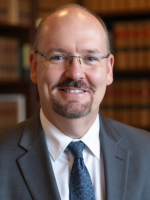
ASPET is pleased to award Dr. Thomas P. Burris, PhD, from the University of Florida the 2026 Louis S. Goodman and Alfred Gilman Award in Receptor Pharmacology. The award was established to recognize and stimulate outstanding research in pharmacology of biological receptors. Such research might provide a better understanding of the mechanisms of biological processes and potentially provide the basis for the discovery of drugs useful in the treatment of diseases.
Dr. Burris is receiving this award in recognition for his outstanding and pioneering translational research contributions to the field of receptor pharmacology that have bridged rigorous basic discovery with clinical impact. This includes the development of novel pharmacological modulators against orphan nuclear receptors for multiple diverse diseases.
Dr. Thomas Burris has made pioneering and sustained contributions to receptor pharmacology by defining the biology and pharmacology of orphan nuclear receptors and translating these discoveries into first-in-class therapeutic strategies. His laboratory developed foundational synthetic modulators of RORγ, including inverse agonists that catalyzed numerous clinical programs in autoimmunity and agonists that advanced into oncology. Dr. Burris also established REV-ERB as a druggable target, demonstrating therapeutic potential in heart failure and neurodegenerative disease, and discovered pan-ERR agonists, positioning them as novel treatments for heart failure, metabolic disease, and muscle wasting as pharmacologic “exercise mimetics.” In addition, he designed the first LXR inverse agonists, a class now in phase 2 clinical trials for dyslipidemia and MASH. Widely published with more than 220 scientific articles, Dr. Burris has held an array of senior academic and research leadership positions, including department chair of pharmacology at medical schools and colleges of pharmacy, vice president for research, and director of large interdisciplinary research institutes. His career exemplifies the translation of receptor pharmacology from fundamental discovery to human therapeutics.
Otto Krayer Mentorship and Interdisciplinary Award
Joseph Coyle, MD
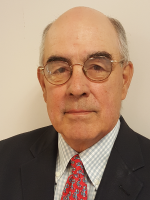
ASPET is pleased to award Dr. Joseph Coyle, MD, from Harvard University the 2026 Otto Krayer Mentorship and Interdisciplinary Award. The award was established to commemorate the enduring legacy of Otto Krayer's personal qualities: his ethical behavior, his commitment to teaching, his high standards of scientific scholarship, publication and editorship, his promotion of interdisciplinary research to reveal the actions of drugs or other chemicals, and his guidance and support of younger scientists.
Dr. Coyle is receiving this award in recognition for his pioneering research on the neurobiological and developmental mechanisms underlying schizophrenia and other major psychiatric disorders, which has driven impactful research advances and drug development, as well as his mentorship of numerous pharmacologists in translational neuroscience.
Joseph T. Coyle's contributions to neuroscience and psychopharmacology include the first demonstration of a dopamine transporter in the mammalian brain, stimulating a focus on the DAT protein as a CNS target for cocaine and amphetamines, the demonstration that an excitotoxin could reproduce the neuropathology of Huntington's disease, discovery of cholinergic pathology in Alzheimer's disease that drove the development of cholinesterase inhibitors to treat cognitive deficits, driving a shift in emphasis of glutamate and NMDA receptor hypofunction for novel therapeutics in schizophrenia and the discovery of endogenous peptides that act to modulate glutamate signaling. He has trained scores of highly successful graduate students and postdocs leading to positions as faculty or in industry, driving research advances and medication development. Impressively, more than 90% of his technicians pursued graduate training. Lastly, his passion for communicating science to the public and congress has blazed a trail for science advocacy for others to follow.
E. Leong Way Emeritus Travel Award
Paul A. Insel, MD, FASPET
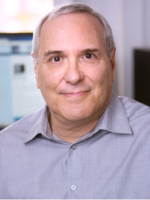
ASPET is pleased to award Dr. Paul A. Insel, MD, FASPET from the University of California, San Diego the 2026 E. Leong Way Emeritus Travel Award to attend the ASPET 2026 Annual Meeting in Minneapolis, MN. This award, for an ASPET emeritus member, honors Edward Leong Way (1916-2017), a former president of ASPET remembered for his contributions to drug metabolism research, opioid pharmacology, and a Western understanding of Chinese traditional medicine, as well as the numerous scientists he mentored over 75 years of his professional life.
Dr. Insel is receiving this award in recognition of his outstanding research program on GPCR signaling and regulation in health and disease, extensive service to ASPET, and long commitment to training the next generation of pharmacologists.
Dr. Insel received an M.D. from the University of Michigan, post-MD training at Boston City Hospital (Harvard Internal Medicine Service), NIH and UC San Franciso (UCSF). After a short period as a faculty member at UCSF, he then joined UC San Diego, where since 2017, he has been Emeritus Distinguished Professor of Pharmacology and Medicine. He was the Director/Co-Director of the UCSD MD/PhD Training Program from 1989-2025. Dr. Insel received a Doc. Hon Causa from the University of Paris, is a Fellow of the Am. Assn for Advancement of Science, inaugural ASPET Fellow, British Pharmacology Society Fellow and has received multiple awards from ASPET and was Secretary/Treasure of ASPET. He served as associate editor and editor of several journals, including as editor of the Journal of Clinical Investigation, Molecular Pharmacology and currently of the Annual Review of Pharmacology & Toxicology. His research focused on G-protein-coupled receptors (GPCRs): expression, signaling, regulation, and roles in health and disease. His work identified expression of GPCRs in native cells/tissues and GPCRs as potential therapeutic targets for cancers. He has published more than 300 original articles and 200 invited publications. Dr. Insel holds numerous patents and has consulted for multiple companies, universities, and grant review panels.
Division-Sponsored Awards
J.H. Woods Early Career Award in Behavioral Pharmacology
Katherine Serafine, PhD

The ASPET Division for Behavioral Pharmacology is pleased to award Dr. Katherine Serafine, PhD, from the University of Texas at El Paso the 2026 J.H. Woods Early Career Award in Behavioral Pharmacology. The Division for Behavioral Pharmacology established this award to recognize outstanding original research by early career investigators in behavioral pharmacology.
Dr. Serafine is receiving this award in recognition for her excellence in teaching, mentoring, and research in behavioral pharmacology.
Dr. Katherine Serafine is an Associate Professor in the Department of Psychology at the University of Texas at El Paso (UTEP), where she also serves as co-Director of the Neuroscience Major and Associate Dean of the Graduate School. Her independent research program in her Behavioral Pharmacology Laboratory employs rodent models to elucidate how diet modulates sensitivity to drugs, including recreational and medicinal substances. Through her experiments, Dr. Serafine has shown that high fat diets dramatically increase sensitivity to stimulants, while omega-3 fatty acid supplementation can protect against these effects. Her work further reveals important sex differences in diet-induced drug sensitivity. More recently, her lab has expanded to investigate how high fat/high carbohydrate and ketogenic diets influence the analgesic and addiction-related effects of morphine.
P.B. Dews Lifetime Achievement Award for Research in Behavioral Pharmacology
Galen R. Wenger, PhD

The ASPET Division for Behavioral Pharmacology is pleased to award Dr. Galen R. Wenger, PhD, from the University of Arkansas, the 2026 ASPET Division for Behavioral Pharmacology P. B. Dews Award. The ASPET Division for Behavioral Pharmacology established this award to recognize outstanding lifetime achievements in research, teaching, and professional service in the field of behavioral pharmacology and to honor Dr. Peter B. Dews for his seminal contributions to the development of behavioral pharmacology as a discipline.
Dr. Galen is receiving this award in recognition of his stellar career of research and mentoring in behavioral pharmacology, which was modeled on many of the same principles and techniques used by P.B. Dews. Dr. Wenger’s early work featured research on rate dependence and he showed how behavioral principles were applicable for studying mice. He also helped introduce the cumulative-dosing procedure to behavioral pharmacology and applied behavioral techniques to studying toxicology.
Dr. Galen Wenger received a BA in Biology from Goshen College, a PhD in Pharmacology from West Virginia University, and completed postdoctoral fellowships in Pharmacology at the University of Colorado Medical Center and in Psychobiology at Harvard Medical School with Peter B. Dews. In the Dews lab, Galen and Peter pioneered behavioral pharmacology with mice. His independent scientific career was carried out at UAMS (University of Arkansas for Medical Sciences), where he made important contributions to the study of rate dependency, cognition, behavioral toxicology, and behavioral genetics. His service to UAMS is too extensive to list (suffice it to say, he was awarded the first ever Distinguished Faculty Service Award), and at the national level, he served on review committees and study sections for NIEHS, NIDA, NIH, NIAAA and others, was a member of several journal editorial boards, and served as President of the Behavioral Pharmacology Society. Dr. Wenger has been an ASPET member since 1977.
Susan Band Horwitz Award Lecture in Cancer Pharmacology
Jennifer Rubin Grandis, MD
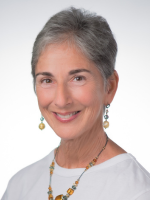
The ASPET Division for Cancer Pharmacology is pleased to award Dr. Jennifer Rubin Grandis, MD, from the University of California, San Francisco, the 2026 Susan Band Horwitz Award Lecture in Cancer Pharmacology. This award recognizing excellent original research by established investigators in cancer pharmacology, is named in honor of Dr. Horwitz who is a pioneer in discovering the mechanisms of action of cancer chemotherapy drugs many of which have been and remain mainstays of cancer therapy and whose work has changed the nature of cancer treatment.
Dr. Grandis is receiving this award in recognition of her ground-breaking experimental and translational studies in head and neck cancer including EGFR-signaling/targeting and STAT3 decoy development, scientific scholarship, and her strong commitment to mentor younger scientists. In addition, Dr. Grandis has been a dedicated advocate for gender equity in medicine and science, personifying all the qualities of Dr. Susan Horwitz.
Jennifer R. Grandis, M.D., trained in Surgery and Otolaryngology, is a world-renowned clinician-scientist who has made seminal contributions in cancer biology and cancer pharmacology. She is an expert in genetics and signaling pathways in head and neck cancers, having identified and characterized the molecular determinants of this malignancy and identified new targets and new drugs/strategies for treatment. Among many contributions, her groundbreaking studies of EGFR-signaling/targeting and STAT3-decoy development have led to clinical translation and new strategies to target transcription factors in additional malignancies. Her pharmacologic studies targeting PI3K-altered signaling in head and neck cancers has important implications for long-term patient survival.
Dr. Grandis is a recognized world-leader in advocating for gender equity and for support of others underrepresented in medicine and science. These activities are aligned with those of Susan Horwitz who similarly is an outspoken advocate for gender equity in science.
Paul M. Vanhoutte Award in Vascular Pharmacology
Hemal H. Patel, PhD
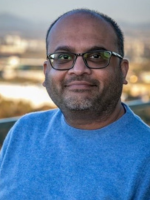
The ASPET Division for Cardiovascular Pharmacology is pleased to award Dr. Hemal H. Patel, PhD, from the University of California San Diego the 2026 Paul M. Vanhoutte Award in Vascular Pharmacology. This award honors Dr. Vanhoutte’s lifelong scientific contributions to our better understanding and appreciation of the importance of endothelial cells and vascular smooth muscle function in health and disease and for his mentoring of countless prominent endothelial and vascular biologists and pharmacologists.
Dr. Patel is receiving this award in recognition of his innovative and interdisciplinary research defining caveolins as central molecular regulators of vascular biology, membrane–mitochondrial communication, and stress adaptation, which has fundamentally transformed our understanding of how cellular compartmentation governs cell survival and disease resilience.
Dr. Hemal Patel, Ph.D., is Professor of Anesthesiology at the University of California, San Diego. Over more than two decades, he has made pioneering contributions to vascular pharmacology through his groundbreaking research on caveolae and caveolin proteins. Dr. Patel was among the first to establish caveolae as dynamic regulators of smooth muscle cells and vascular tone, reshaping concepts of membrane microdomain signaling. His laboratory further revealed unexpected roles of caveolin in mitochondrial biology, linking membrane microdomains to bioenergetics, redox balance, and vascular remodeling, with broad implications for ischemia-reperfusion injury, pulmonary hypertension, and metabolic cardiovascular disease. Extending these insights, he has identified caveolin-dependent mechanisms of cardioprotection, stress adaptation, and vascular contributions to aging and neurovascular health. With more than 200 publications, sustained NIH, VA, and AHA support, extensive editorial and service leadership, and mentorship of over 60 trainees, Dr. Patel has profoundly advanced vascular biology, pharmacology, and translational medicine.
Division for Cardiovascular Pharmacology Early Career Award
Mahmoud Salama Ahmed, PhD
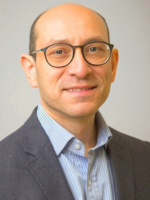
The ASPET Division for Cardiovascular Pharmacology is pleased to award Dr. Mahmoud Salama Ahmed, PhD, from Texas Tech University Health Sciences the 2026 Cardiovascular Pharmacology Early Career Award. This award recognizes and honors those who are working in any area of Cardiovascular Science.
Dr. Ahmed is receiving this award in recognition for his pioneering work on reimagining a platform to develop small molecules and/or pair established FDA therapeutics to introduce drug-induced cardiac regeneration approaches towards treatment of heart failure and cardiometabolic diseases. This led to the engagement and empowerment of drug discovery to target undruggable molecular targets towards cardiomyocytes regeneration.
Mahmoud Salama Ahmed is an assistant professor at department of pharmaceutical sciences at Texas Tech University Health Sciences Center (TTUHSC). Prior to TTUHSC, he was trained as a medicinal chemist to receive his PhD from the department of chemistry and biochemistry at South Dakota State University. Then, he joined Kemin Industries as a postdoctoral research scientist. In 2018, he joined UT Southwestern medical center as a research instructor to study cardiac biology and regenerative medicine. Dr. Ahmed’s independent research program at TTUHSC focuses on reimagining a preclinical platform to introduce small molecules and/or pair established FDA therapeutics to induce cardiomyocytes proliferation post-myocardial infarction, ischemia, and cardiometabolic diseases. In 2023, Dr. Ahmed joined the editorial fellowship program by JPET sponsored by the ASPET. He published in prestigious peer reviewed journals including Nature, Nature Metabolism, Nature Cardiovascular, Journal of Clinical Investigation, Proceedings of National Academy of Sciences, Pharmacological Research, and European Journal of Medicinal Chemistry.
Scientific Achievement Award in Drug Discovery and Development
Sandhya Kortagere, PhD

The ASPET Division for Drug Discovery and Development is pleased to award Dr. Sandhya Kortagere, PhD, from the Drexel University College of Medicine the 2026 Scientific Achievement Award in Drug Discovery and Development. This award recognizes outstanding investigators who have made significant contributions in drug discovery, translational and/or drug development science.
Dr. Kortagere is receiving this award in recognition of her extraordinary contributions to the drug discovery and development research, teaching and drug discovery entrepreneurial work.
Dr. Sandhya Kortagere is a Tenured Professor in the Departments of Microbiology & Immunology and Pharmacology & Physiology at Drexel University College of Medicine, where she also serves as Vice Dean of Research and Innovation. A member of ASPET since 2015, she has made pioneering contributions to neuroscience drug discovery, particularly in the design of biased signaling dopamine D3 receptor agonists. She led the development of SK609, a first-in-class therapeutic candidate for Parkinson’s disease, and co-founded PolyCore Therapeutics to advance this discovery through IND-enabling studies. Her research program, continuously supported by NIH and foundations, has produced more than 80 peer-reviewed publications, 13 patent applications, edited a book on in silico models for drug discovery and has made significant advances in neuroprotective therapies. Dr. Kortagere is also a dedicated mentor, having trained over a dozen graduate students, four postdoctoral fellows and staff scientists. In 2025, she received the Inaugural Dean’s Award for Innovation from Drexel University College of Medicine.
B.B. Brodie Award in Drug Metabolism and Disposition
Emily E. Scott, PhD, FASPET

The ASPET Division for Drug Metabolism and Disposition is pleased to award Dr. Emily E. Scott, PhD, from the University of Michigan the 2026 B. B. Brodie Award in Drug Metabolism and Disposition. The award honors the fundamental contributions of Bernard B. Brodie in the field of drug metabolism and disposition and recognizes outstanding original research contributions in drug metabolism and disposition, particularly those having a major impact on future research in the field.
Dr. Scott is receiving this award in recognition of her pioneering and innovative work on the structure and function of cytochrome P450 enzymes. Her research has advanced fundamental knowledge in the field continues to inform other fundamental studies in the field and supports the development of therapeutics targeting P450s and P450-mediated drug metabolism.
Dr. Scott’s research program has made tremendous contributions to revealing the structure/relationships for human cytochrome P450 enzymes involved in disease or disease treatment. While these membrane proteins are difficult to generate and study, her laboratory determined many of the known structures for P450 enzymes involved in xenobiotic metabolism (CYP1A1, CYP2A6, CYP2A13, CYP2E1), biosynthesis of steroid hormones and bile acids (CYP17A1, CYP11B1, CYP11B2, CYP8B1, CYP3A7, CYP7B1), and fatty acids (CYP2J2). Study of xenobiotic-metabolizing P450 enzymes illuminates how drugs and procarcinogens are oxidized by individual P450 enzymes in regio- and stereospecific ways. For P450 enzymes in endogenous biological pathways, Scott lab structures provide guides to the development of inhibitors in disease pathways, including prostate cancer, type 2 diabetes, and non-alcoholic fatty liver disease. Additional contributions include P450/protein interactions and dynamics employing solution NMR. Overall, this work enables an understanding of human metabolism to guide drug usage and optimization and novel drug design.
James R. Gillette Drug Metabolism and Disposition Best Papers of 2025
The James R. Gillette Awards are presented each year by the ASPET Division for Drug Metabolism and Disposition for the best papers published in the ASPET journal Drug Metabolism and Disposition. Two awards are presented in the areas of Pharmacokinetics/Drug Transporters and Drug Metabolism.
Yang Li, PhD
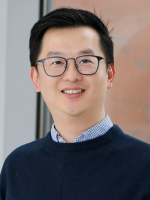 Yang Li, Merck, is the 2025 award recipient in the Pharmacokinetics/Drug Transporters category for the paper titled "Characterization of Organic Anion Transporting Polypeptide 1B1 and 1B3 Humanized Rat as a Translational Model to Study the Pharmacokinetics of OATP1B Substrate Drugs.”
Joe Jongpyo Lim
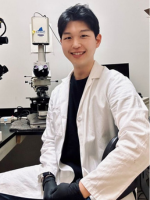 Joe Jongpyo Lim, University of Washington, is the 2025 award recipient in the Drug Metabolism category for the paper titled "Deciphering the cell type-specific and zonal distribution of drug metabolizing enzymes, transporters, and transcription factors in livers of mice by single cell transcriptomics.”
Division for Molecular Pharmacology Early Career Award
Justin English, PhD
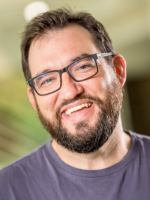
The ASPET Division for Division for Molecular Pharmacology is pleased to award Dr. Justin English, PhD, from the Institute for Protein Design at the University of Washington the 2026 Division for Molecular Pharmacology Early Career Award.
Dr. English is receiving this award in recognition of his interdisciplinary and team science efforts on developing and implementing open-source tools and datasets that create new paths to discovery and innovation applied to the study of cellular communication.
Dr. Justin English is an Assistant Professor of Biochemistry at the University of Utah, where his research focuses on the pharmacology of G-protein coupled receptors (GPCRs), which are critical targets in drug development. His lab creates and applies molecular tools to explore and manipulate cellular signaling, with a particular emphasis on directed evolution, protein engineering, and synthetic biology. Dr. English's work is distinguished by its innovative approach to understanding how cells interpret and respond to environmental cues, with the goal of advancing both basic science and therapeutic applications. He is committed to ensuring that his research is widely accessible, supporting both academic and industry use. Dr. English earned his PhD in Pharmacology from the University of North Carolina at Chapel Hill, where he also completed his postdoctoral training.
Ross Cheloha, PhD
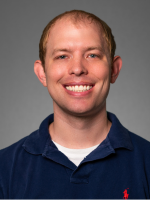
The ASPET Division for Molecular Pharmacology is pleased to award Dr. Ross Cheloha, PhD, from the National Institutes of Health the 2026 Division for Molecular Pharmacology Early Career Award.
Dr. Cheloha is receiving this award in recognition for his pioneering development of conjugates of synthetic molecules and proteins to target cell surface receptors involved in osteoporosis, diabetes, and inflammation.
Ross Cheloha, Ph.D., is an early career investigator whose research is reshaping the field of molecular pharmacology through innovative applications of chemical biology and nanobody engineering. His work focuses on developing nanobody–ligand conjugates as precision tools to probe the structure, dynamics, and signaling mechanisms of G protein–coupled receptors (GPCRs), the largest class of drug targets in the human genome. By combining peptide chemistry with antibody engineering, Dr. Cheloha has pioneered versatile strategies to control receptor activation with high selectivity and logic-gated function. These nanobody–ligand tools not only illuminate fundamental aspects of GPCR biology but also open new opportunities for therapeutic discovery, offering pathways to design drugs with greater specificity and fewer side effects. Dr. Cheloha’s contributions exemplify the promise of chemical approaches to pharmacology and highlight the transformative potential of nanobody-based strategies for biomedical research and drug development.
Division for Neuropharmacology Early Career Award
Mark Moehle, PhD
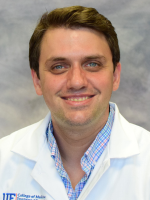
The ASPET Division for Neuropharmacology is pleased to award Dr. Mark Moehle, PhD, from the University of Florida the 2026 Division for Neuropharmacology Early Career Award.
Dr. Moehle is receiving this award in recognition of his record in research, teaching, mentoring, and service.
Mark Moehle is an Assistant Professor of Pharmacology & Therapeutics at the University of Florida College of Medicine. He earned his Ph.D. at the University of Alabama at Birmingham in the lab of Andrew West where he focused on the mechanism behind how mutations in LRRK2 and alpha-synuclein pathology lead to Parkinson's disease. He then did a postdoc at Vanderbilt University with P. Jeffrey Conn where he focused on muscarinic acetylcholine receptor pharmacology while adding electrophysiology to his skillset. As a faculty he has combined his doctoral and postdoc work to understand how alpha-synuclein pathology changes electrical properties of cortical and striatal neurons and how cholinergic signaling influences these changes with the goal of generating novel therapeutic strategies for Parkinson's disease and other movement disorders.
Matthew J. Robson, PhD

The ASPET Division for Neuropharmacology is pleased to award Dr. Matthew J. Robson, PhD, from the University of Cincinnati the 2026 Division for Neuropharmacology Early Career Award.
Dr. Robson is receiving this award in recognition of his excellence in all academic areas of teaching, scholarship, and service, including scientific advocacy.
Dr. Matthew J. Robson earned his Ph.D. in Pharmaceutical and Pharmacological Sciences from West Virginia University prior to completing his postdoctoral work at Vanderbilt University and the Florida Atlantic University Brain Institute. He joined the faculty ranks at the University of Cincinnati in 2018 as an Assistant Professor where he was recently promoted to the Associate Professor level. At the University of Cincinnati, Dr. Robson has appointments in both the College of Pharmacy Division of Pharmaceutical Sciences and the College of Medicine Neuroscience Graduate Program. Dr. Robson’s research focuses on understanding the molecular underpinnings of neurologic disorders following traumatic brain injury (TBI), specifically how serotonin (5-HT) neurotransmission and 5-HT neurons themsleves are impacted by various forms of neurotrauma. Research within the Robson Laboratory has been provided funding by private foundations, the Department of Defense and the National Institutes of Health. Dr. Robson has been an ASPET member since 2010, was selected as one of the inaugural ASPET Washington Fellows in 2012 and has received several accolades/awards for both his didactic teaching and research mentoring abilities during his career.
Pharmacology Educators Award
The Division for Pharmacology Education is pleased to present the Pharmacology Educators Award. This award was established to promote participation in the ASPET Annual Meeting by pharmacology educators and foster career development in pharmacology education.
Carolina Restini, PharmD, PhD, FAAPE
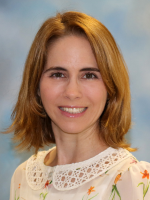
The ASPET Division for Pharmacology Education is pleased to award Dr. Carolina Restini, PharmD, PhD, FAAPE, from Michigan State University the 2026 Pharmacology Educators Award. This award was established to promote participation in the ASPET Annual Meeting by pharmacology educators and foster career development in pharmacology education.
Dr. Restini is receiving this award in recognition of her service to ASPET, the Division of Pharmacology Educators and other pharmacology organizations.
Dr. Carolina Restini, Associate Professor and Pharmacology Thread Director at Michigan State University College of Osteopathic Medicine, also directs the Foundry for Innovative Research and Education (FIRE) program. With a PharmD and PhD in Pharmacology from the University of São Paulo, Brazil, and King’s College London, she brings over 15 years of experience teaching pharmacology and mentoring in health programs. Her innovative pharmacology curricula, recognized with multiple awards, enhance students’ clinical reasoning, board exam readiness, and awareness of equity. Focusing on bridging research with patient care, she employs active learning and AI to enhance pharmacology education, integrating core concepts into clinical and community settings. Through FIRE, she fosters student-faculty collaborations in street medicine and outreach to under-resourced communities. As an ASPET Fellow of the Academy of Pharmacology Educators and an active DPE member, Dr. Restini’s leadership advances global pharmacology education, aiming to equip future healthcare professionals with innovative, patient-centered skills.
Sandeep Bansal, MBBS, MD, MBA
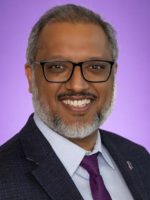
The ASPET Division for Pharmacology Education is pleased to award Dr. Sandeep Bansal, MBBS, MD, MBA, from Texas Christian University the 2026 Pharmacology Educators Award. This award was established to promote participation in the ASPET Annual Meeting by pharmacology educators and foster career development in pharmacology education.
Dr. Bansal is receiving this award in recognition of his service to ASPET and the Division of Pharmacology Educators.
Dr. Sandeep Bansal is a medical educator, pharmacologist, and curriculum innovator with over 20 years of international experience in student-centered teaching, curriculum design, and educational leadership. He has taught more than 10,000 medical students worldwide.
At the national level, he chairs ASPET’s Pharmacology Knowledge Objectives Subcommittee, leading efforts to update and expand pharmacology learning objectives across health professions curricula. He is also the co-founder and co-course director of the PRIME-Educator Program, a national faculty-development initiative dedicated to advancing excellence in pharmacology education.
Dr. Bansal has worked at multiple medical schools, including serving as founding faculty at two new U.S. medical schools, where he played a leading role in designing and implementing a spirally integrated, organ systems–based curriculum and developing a fully flipped pharmacology curriculum. His teaching emphasizes active learning through team-based learning, case-based learning, and gamification to promote critical thinking, clinical application, interdisciplinary integration, and long-term retention.
His scholarly work focuses on active learning, learning approaches, motivation, and academic performance. He is a co-author of the case-based textbook Learning Pharmacology through Clinical Cases. His career reflects a sustained commitment to educational innovation, mentoring, and preparing the next generation of physicians and educators.
Tyler Bland, PhD

The ASPET Division for Pharmacology Education is pleased to award Dr. Tyler Bland, PhD, from the University of Idaho, the 2026 Pharmacology Educators Award. This award was established to promote participation in the ASPET Annual Meeting by pharmacology educators and foster career development in pharmacology education.
Dr. Bland is receiving this award in recognition of his work as a junior faculty member.
Dr. Tyler Bland is a Clinical Assistant Professor in the University of Idaho WWAMI Medical Education Program and pharmacology lead for pre-clinical medical students. A graduate of Washington State University’s Neuroscience PhD program, Dr. Bland has a productive line of research in pharmacology education through his innovative teaching platforms. He created BlandPharm, a high-yield online course; Cinematic Clinical Narratives, which transform clinical cases into mnemonic-driven short films using generative AI; and Medimon, a mnemonic-based health science educational game. His research demonstrates that these approaches not only increase student engagement but also improve retention compared to traditional methods. Recognized with multiple teaching awards and grant funding from Idaho INBRE, NASA, and state initiatives, Dr. Bland has also founded Panacea Interactive LLC to expand access to digital health education. His work reimagines how pharmacology is taught, inspiring learners from middle school through medical school.
Division for Toxicology Career Award
Lauren Aleksunes, PharmD, PhD

The ASPET Division for Toxicology is pleased to award Lauren Aleksunes, PharmD, PhD, from Rutgers University the 2026 Division for Toxicology Career Award.
Dr. Aleksunes is receiving this award in recognition of her outstanding contributions to toxicology research, training toxicologists, and her service to toxicology.
Lauren Aleksunes is a board-certified toxicologist with expertise in both basic and clinical toxicology. Since arriving at Rutgers University in 2009, Lauren has been highly productive in the fields of transporter biology and toxicology with over 165 publications. Through collaborative R01 and UC2 grants from NIH/NIEHS, NIH/NCI, and NIH/NICHD, Lauren and her lab are working with scientists from Rutgers, Univ. Colorado, Penn, Tulane, and Univ. North Carolina to study the immunotoxicity of checkpoint inhibitor cancer drugs and mechanisms regulating the placenta barrier transport of drugs, nutrients, and toxicants. This is achieved using a bench-to-bedside approach that ranges from computational modelling and transgenic animals to clinical trials and birth cohorts. In addition to her research, Lauren serves as director of the toxicology predoctoral and postdoctoral training programs at Rutgers.
Division for Toxicology Early Career Award
Mayukh Banerjee, PhD
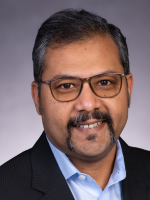
The ASPET Division for Toxicology is pleased to award Dr. Mayukh Banerjee, PhD, from the University of Louisville, the 2026 Division for Toxicology Early Career Award.
Dr. Banerjee is receiving this award in recognition of his outstanding contributions to our understanding of the mechanisms of arsenic toxicity and carcinogenesis.
Dr. Mayukh Banerjee earned his PhD from the IICB, India in 2010, followed by Alberta Cancer Foundation funded post-doctoral fellowship at the University of Alberta, Canada. He joined the Department of Pharmacology and Toxicology at the University of Louisville in 2018. In 2020, he was awarded the P30 career development award and recruited as an Assistant Professor by the same department. Dr. Banerjee has co-authored 44 peer-reviewed publications. His work has been recognized with the paper of the year award at the Society of Toxicology (Dermal Toxicology Specialty Section; 2022) and the Young Investigator Award (Ohio Valley Chapter; Society of Toxicology; 2022). His research is funded by the American Cancer Society and the NIH. His research uncovers how environmental arsenic exposure reprograms the transcriptome and proteome via zinc finger protein disruption, redefining its carcinogenic mechanism while supporting zinc supplementation as a mitigation strategy.
Division for Translational and Clinical Pharmacology Early Career Award
Jia Nong, PhD

The ASPET Division for Translational and Clinical Pharmacology is pleased to award Dr. Jia Nong, PhD, from the University of Pennsylvania the 2026 Division for Translational and Clinical Pharmacology Early Career Award.
Dr. Nong is receiving this award in recognition of her innovative research advancing targeted therapeutics, including nanomedicine, bioconjugates, and hydrogel-based drug release systems, to improve the treatment of cardiovascular disease.
Dr. Jia Nong is a Research Associate at the University of Pennsylvania. Her research focuses on developing targeted lipid nanoparticles (LNPs) to overcome delivery barriers for nucleic acids and drugs, particularly for treating neurovascular and inflammatory diseases. By engineering novel LNP platforms, her work has achieved groundbreaking improvements in brain delivery and safety profiles, pushing the frontier of nanomedicine toward clinical translation. Dr. Nong's innovative approaches hold significant promise for creating new therapeutic paradigms for difficult-to-treat conditions like stroke and traumatic brain injury.